


Introduction
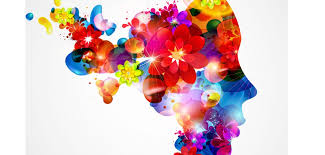
Mental health art has become a powerful way for individuals to express emotions, reduce stress, and improve their overall emotional well-being. Through painting, drawing, sculpture, digital design, photography, and other creative activities, people can communicate feelings that may be difficult to put into words.
The connection between mental health and art has been recognized for many years. Creative expression allows individuals to explore their thoughts, process difficult experiences, and discover moments of peace and self-awareness. While art is not a replacement for professional mental health treatment, it can be a valuable tool for self-expression and emotional support.
What Is Mental Health Art?
Mental health art refers to artwork created to express emotions, raise awareness about mental health, or support personal healing and wellness. It can include colorful paintings that represent happiness, abstract pieces that express complex emotions, or simple sketches created during moments of reflection.
Art provides a safe and personal space where individuals can share their inner experiences without fear of judgment.
The Connection Between Art and Mental Health
The relationship between art and mental health is deeply connected to human emotions. Creating art encourages mindfulness, concentration, and relaxation.
Many people use creative activities to:
- Manage everyday stress.
- Express difficult emotions.
- Improve self-confidence.
- Encourage positive thinking.
- Develop greater self-awareness.
These benefits make mental health artwork an important part of many personal wellness routines.
Benefits of Mental Health Art
1. Helps Express Emotions
Sometimes feelings like sadness, fear, or anxiety can be difficult to explain. Creating mental health art gives people a visual language to communicate their emotions.
2. Reduces Stress and Anxiety
Drawing, coloring, or painting can create a calming experience that helps the mind focus on the present moment.
3. Encourages Self-Discovery
Creative expression allows people to explore their thoughts, memories, and experiences, helping them better understand themselves.
4. Builds Confidence
Completing an artwork can create a sense of achievement and improve self-esteem.
5. Promotes Relaxation
Art activities can provide a peaceful break from daily responsibilities and mental pressure.
Different Types of Mental Health Art
Painting and Drawing
Painting and sketching are among the most popular forms of mental health art therapy activities. Colors, shapes, and images can represent different moods and emotions.
Digital Art
Modern technology has introduced digital platforms where artists can create meaningful mental health illustrations and designs.
Photography
Photography allows people to capture moments, emotions, and perspectives that reflect their personal journey.
Sculpture and Crafts
Working with clay, paper, or other materials provides a hands-on method of relaxation and creativity.
Journaling and Mixed Media
Combining writing, images, and colors can help individuals reflect on their thoughts and experiences.
Mental Health Awareness Through Art
Many artists use mental health awareness art to break stigma and encourage open conversations about emotional struggles.
Art exhibitions, social media campaigns, and community projects can help people understand that they are not alone in their experiences.
Powerful artwork can communicate messages of:
- Hope.
- Recovery.
- Strength.
- Acceptance.
- Self-love.
Simple Mental Health Art Ideas
If you want to explore creativity, try these easy activities:
- Draw your current emotions using colors.
- Create a gratitude collage.
- Paint a peaceful landscape.
- Design a positive affirmation poster.
- Make a visual journal.
- Sketch your goals and dreams.
Remember, there is no right or wrong way to create art. The purpose is expression, not perfection.
Mental Health Art for Children and Adults
Creative activities can benefit people of all ages.
Children
Art can help children express feelings they may not have the vocabulary to explain.
Teenagers
Creative projects can provide a healthy outlet for stress, identity exploration, and emotions.
Adults
Art can be a relaxing practice that supports balance between work, family, and personal well-being.
Art Therapy and Professional Support
Art therapy is a professional approach where trained therapists use creative techniques to help individuals explore emotions and improve psychological well-being.
People experiencing serious mental health concerns such as severe depression, trauma, or overwhelming anxiety should consider seeking support from qualified mental health professionals.
Conclusion
Mental health art is more than just creativity—it is a meaningful way to explore emotions, reduce stress, and promote personal growth. Whether through painting, drawing, photography, or digital design, art can provide comfort, healing, and a stronger connection with yourself.
By encouraging mental health awareness through art, society can reduce stigma and create a more supportive environment where people feel safe sharing their experiences. Pick up a pencil, brush, or digital tool and discover how creativity can become a positive part of your mental wellness journey.
