


Introduction
Sedation dentistry has transformed the dental experience for millions of people who suffer from dental fear, anxiety, or discomfort during procedures. Many patients avoid visiting the dentist due to fear of pain, previous negative experiences, sensitive teeth, or difficulty sitting still for long periods. Fortunately, modern sedation dentistry provides a safe and effective way to help patients feel relaxed and comfortable during dental treatments.
Whether you need a routine cleaning, tooth extraction, root canal, dental implant, or other complex procedures, sedation dentistry can make your appointment much more pleasant. Dentists use different levels of sedation based on the patient’s needs, medical history, and the type of treatment being performed.
What Is Sedation Dentistry?
Sedation dentistry refers to the use of medications that help patients relax during dental procedures. It is sometimes called “sleep dentistry,” although most forms of sedation allow patients to remain awake and responsive.
The goal of sedation is not always to make a patient unconscious but to create a calm and anxiety-free experience. It can be especially helpful for people with severe dental anxiety, a strong gag reflex, low pain tolerance, or those undergoing lengthy procedures.
Types of Sedation Dentistry
Modern dentistry offers several types of sedation methods depending on the patient’s condition and treatment requirements.
1. Nitrous Oxide Sedation (Laughing Gas)
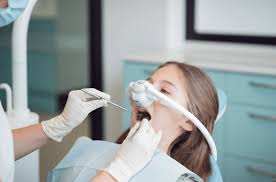
Nitrous oxide is one of the most common forms of sedation dentistry. It is inhaled through a small mask placed over the nose.
Benefits include:
- Helps patients feel relaxed.
- Works quickly.
- Allows patients to remain awake.
- Wears off rapidly after treatment.
- Usually allows patients to drive home afterward.
Nitrous oxide is commonly used for both adults and children during various dental procedures.
2. Oral Sedation
Oral sedation involves taking prescribed medication before the dental appointment. The level of relaxation can range from mild to moderate, depending on the dose.
Patients usually feel calm, sleepy, and less aware of the procedure. Because the effects may last for several hours, patients generally need someone to drive them home after the appointment.
3. Intravenous (IV) Sedation
IV sedation is administered directly into a vein, allowing the dentist to control the level of sedation throughout the procedure.
This method is often used for:
- Complex dental surgeries.
- Wisdom tooth removal.
- Dental implants.
- Patients with extreme dental anxiety.
Patients may remember very little of the procedure, making it an excellent option for those who experience significant fear.
4. General Anesthesia
General anesthesia causes complete unconsciousness during treatment. It is generally reserved for complex surgical procedures, certain medical conditions, or patients who cannot tolerate other forms of sedation.
This type of anesthesia requires careful monitoring by trained professionals.
Who Can Benefit from Sedation Dentistry?
Many people can benefit from sedation dentistry, including patients who have:
- Severe dental fear or phobia.
- Anxiety related to dental visits.
- A low tolerance for pain.
- A strong gag reflex.
- Sensitive teeth.
- Difficulty remaining still for long periods.
- Special healthcare needs.
- A need for multiple treatments in one visit.
Sedation allows these individuals to receive necessary dental care without unnecessary stress.
Benefits of Sedation Dentistry
Reduces Dental Anxiety
One of the greatest advantages of sedation dentistry is its ability to reduce fear and nervousness. Patients who once avoided the dentist can receive treatment comfortably.
Creates a More Relaxed Experience
Sedation helps patients remain calm and comfortable throughout the procedure, making dental visits much easier.
Allows Longer Procedures
Because patients are more relaxed, dentists may be able to complete multiple treatments in a single appointment, reducing the number of visits required.
Reduces Memory of the Procedure
Certain forms of sedation may cause partial memory loss of the procedure, which can be beneficial for patients with dental trauma or extreme fear.
Helps Patients with Sensitive Gag Reflexes
Sedation can minimize involuntary reactions, making procedures easier for both the patient and dentist.
Is Sedation Dentistry Safe?
Sedation dentistry is generally considered safe when performed by trained dental professionals. Before recommending sedation, the dentist reviews your:
- Medical history.
- Current medications.
- Allergies.
- Overall health.
- Previous reactions to anesthesia.
During the procedure, your vital signs such as heart rate, blood pressure, and oxygen levels may be monitored to ensure safety.
Patients should always follow their dentist’s instructions before and after sedation.
How to Prepare for Sedation Dentistry
Preparation depends on the type of sedation being used. Your dentist may provide instructions such as:
- Avoid eating or drinking for a certain period before treatment.
- Wear comfortable clothing.
- Arrange transportation home if required.
- Inform your dentist about all medications and health conditions.
- Follow all pre-treatment guidelines carefully.
Proper preparation helps make the experience safer and more effective.
Recovery After Sedation Dentistry
Recovery time varies depending on the type of sedation used.
After Nitrous Oxide
Most patients recover within minutes and can usually continue normal activities.
After Oral or IV Sedation
Patients may feel sleepy or tired for several hours. It is important to rest and avoid driving, operating machinery, or making important decisions until the effects completely wear off.
Common Dental Procedures Using Sedation
Dentists may use sedation dentistry for many treatments, including:
- Tooth extractions.
- Wisdom tooth removal.
- Root canal therapy.
- Dental implant placement.
- Deep cleaning procedures.
- Gum treatments.
- Cosmetic dental procedures.
Sedation makes these treatments more comfortable for patients who feel nervous or experience discomfort.
How to Choose a Sedation Dentist
When selecting a dentist for sedation treatment, consider the following:
Experience and Training
Choose a dentist with proper education and experience in administering sedation.
Available Sedation Options
A good dental clinic should offer different sedation methods based on patient needs.
Safety Measures
Ask about monitoring equipment, emergency protocols, and the qualifications of the dental team.
Patient Reviews
Reading reviews can provide valuable information about the quality of care and patient experience.
Common Myths About Sedation Dentistry
Myth 1: Sedation Means You Are Completely Asleep
Most forms of sedation dentistry allow patients to remain awake but deeply relaxed.
Myth 2: Sedation Is Only for Major Surgeries
Sedation can also be used for simple treatments like cleanings or fillings in anxious patients.
Myth 3: Sedation Is Unsafe
When performed by qualified professionals and with proper medical evaluation, sedation dentistry has a strong safety record.
Conclusion
Sedation dentistry has made modern dental care more comfortable and accessible for patients who experience anxiety, fear, or discomfort. From laughing gas and oral sedation to IV sedation and general anesthesia, there are several options available to create a calm and stress-free dental experience.
If dental fear has prevented you from receiving necessary treatment, discussing sedation dentistry with a qualified dental professional may help you regain confidence and protect your oral health. With the right approach, visiting the dentist can become a comfortable and positive experience.
